
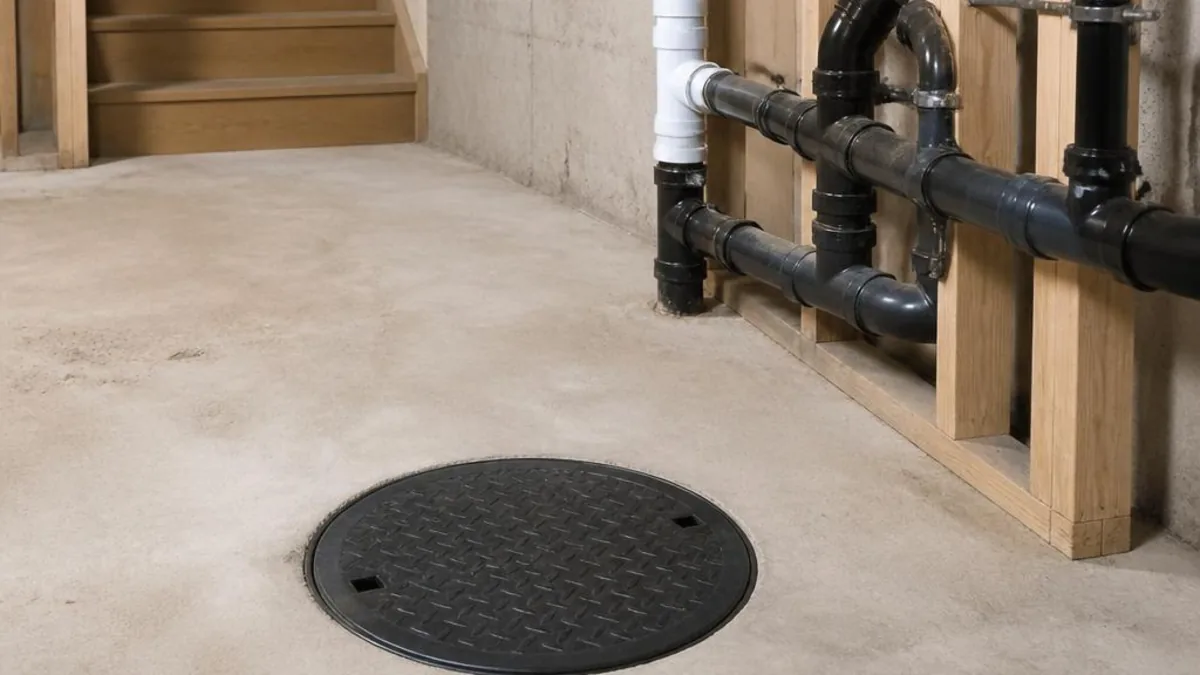
What a backwater valve does
A backwater valve is a one-way device installed on a building sewer. During normal operation, wastewater can leave the home. If sewage reverses toward the property during a sewer surcharge, the valve’s flap can close and help reduce reverse flow through the line it is installed to protect. The City of Ottawa describes backwater valves as protective plumbing devices for sewer-surcharge risks.
A valve is not a complete basement-flood solution. It protects only the fixtures and pipe route connected as designed, and it must remain accessible for inspection and maintenance. When the flap is closed, household wastewater may also be unable to drain through that protected sewer line until the backup clears. A homeowner should know where the valve is and what the installer’s operating instructions say.
If you are comparing backwater valve ottawa services, Lister Plumbing’s page outlines installation planning and the limits of sewer-backup protection. Confirm the proposed scope, qualifications, availability, and requirements directly with the provider; a service description is not a City approval or a guarantee of suitability for a particular property.
What a backwater valve does not protect against
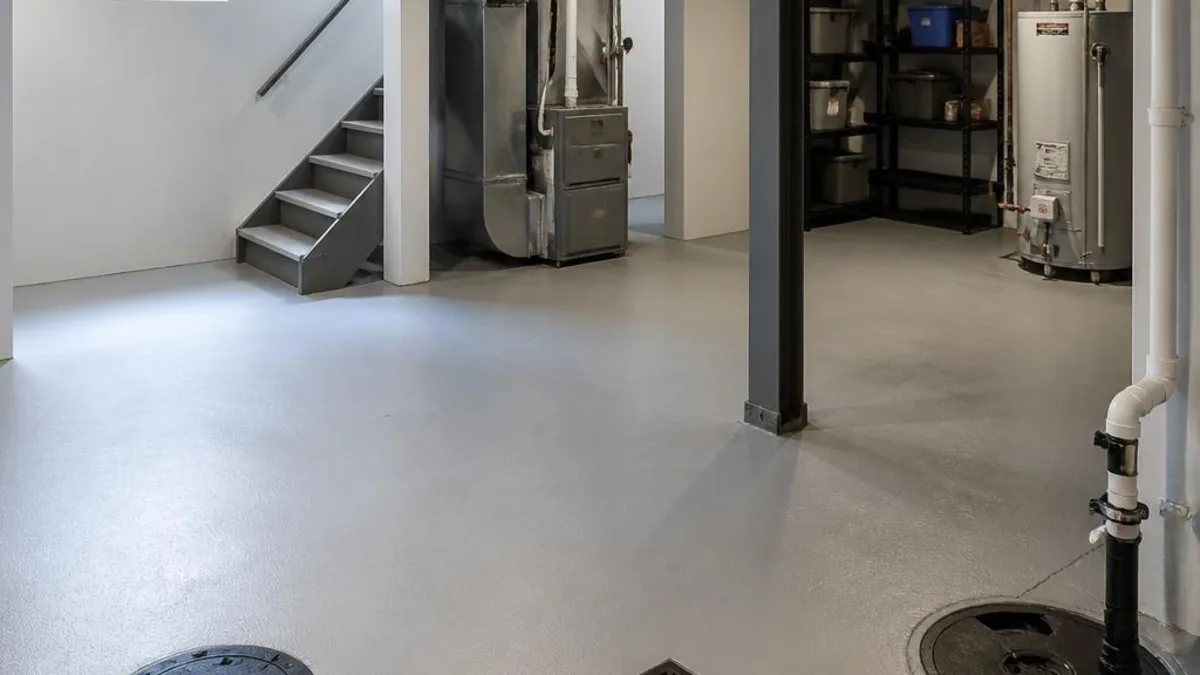
A backwater valve addresses reverse flow through the protected sewer connection; it does not stop water coming through foundation cracks, basement windows, window wells, floor joints, or an overflowing sump pit. It also does not repair a blocked or damaged sewer lateral, prevent a plumbing leak, or provide power to a failed sump pump.
The City of Ottawa’s basement-flooding guidance recommends considering several property-level measures, including protective plumbing, sealing window wells and foundation cracks, and directing downspouts away from the foundation. The correct measure depends on the source of water. A sewer valve and a sump pump solve different problems, so installing one should not be treated as proof that other pathways are safe.
If water appears, note where it first entered and whether it looked like clear groundwater, rainwater, or wastewater, but do not enter a flooded area to investigate. Clues can be useful to a professional, yet they are not a diagnosis. An insurer, City of Ottawa, plumber, or electrical professional may need to be involved depending on the event.
| Possible water source | Protection that may be relevant | Important limit |
|---|---|---|
| Reverse flow from a municipal sewer | A correctly selected and installed backwater valve may help protect the connected line. | Does not protect every sewer branch or stop water arriving by another route. |
| Groundwater collected around the foundation | A sump basin and working pump may move water collected in the drainage system. | A pump needs working power, a clear discharge route, and appropriate maintenance. |
| Rain or snowmelt at the surface | Grading, downspout routing, window-well maintenance, and sealing may reduce entry paths. | A sewer valve does not correct surface drainage or foundation openings. |
| Plumbing or appliance leak | Shutoff, repair, and water-damage response appropriate to the source. | Neither a backwater valve nor a sump pump repairs a leaking fixture or appliance. |
When to ask about a valve
A conversation with a qualified plumbing professional may be worthwhile if a property has experienced a sewer backup, has below-grade fixtures connected to the building sewer, or is undergoing work that exposes the drain system. The first step is to identify what happened and which line or fixtures may be involved. A past basement leak alone does not prove that a backwater valve is the right fix.
The City of Ottawa says new single, semi-detached, row-house, and townhouse dwelling units require backwater valves on sanitary service laterals. That statement concerns new dwelling-unit requirements; it should not be stretched into a blanket claim that every existing home must add a valve. Existing properties need their own assessment, and current permit or program requirements should be confirmed with the City.
Before requesting a proposal, gather the property age, any prior sewer-backup history, the location of basement fixtures, and existing plumbing drawings or inspection records if available. Do not remove a floor cover or dig to locate a pipe. A provider can explain whether further inspection is appropriate and what work, permit, inspection, and restoration could be involved.
How to plan an installation
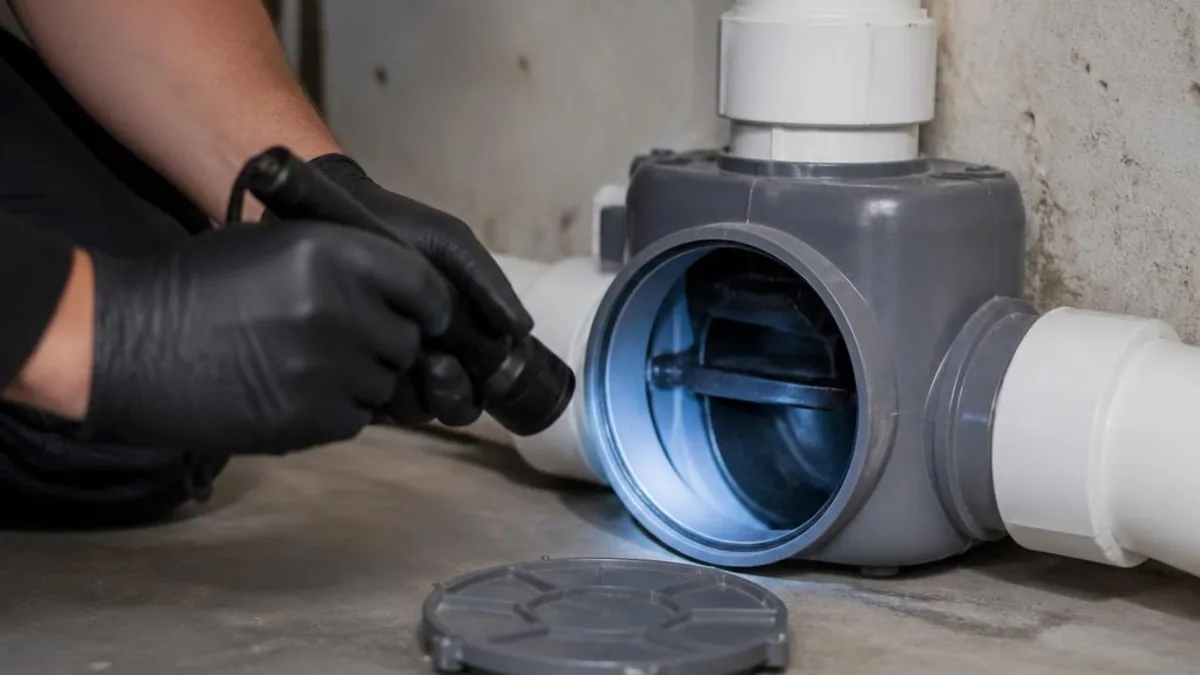
A useful installation plan starts with the building sewer and the fixtures that need protection, not with a generic product recommendation. Ask the provider to identify the proposed valve location, the pipe section it will protect, how normal wastewater will flow, and whether every relevant branch is included. The exact layout depends on the house and plumbing.
The City’s backwater-valve permit information says the device must be installed in accordance with applicable requirements and remain accessible for inspection and maintenance. The City also describes inspection expectations for new dwelling units. For a retrofit, confirm with Building Code Services whether a permit and inspection apply to the specific scope before work begins.
Installation work may involve opening a basement floor, accessing the building drain, fitting the valve, arranging inspection, and restoring the floor. A written scope should distinguish plumbing work from concrete restoration and list what is excluded. Ask how the access cover will remain reachable, how the valve will be tested, who arranges the permit and inspection, and what records you will receive.
If a proposal includes a camera inspection, ask what route the camera can reach and what it cannot establish. A camera view is evidence about the accessible pipe at that time; it does not assess grading, groundwater, windows, all foundation drainage, or electrical equipment. Compare the diagnosis to the symptoms rather than treating one inspection method as proof of every flood source.
Access and homeowner maintenance
Homeowners can keep the service area visible and unobstructed, learn where the access cover is, and keep the installation instructions and service records. The valve should be inspected and maintained at the interval and by the method stated by the manufacturer or installer. If you cannot identify the device or the safe way to open it, ask a qualified plumber rather than prying at the cover.
Do not put hands into a sewer line or handle wastewater. If the valve has been exposed to sewage, a sewer backup, or a strong odour, avoid opening it and get professional guidance. Never use chemical drain cleaners as a substitute for inspection; they may create hazards and do not establish why the valve did or did not close.
A valve flap must be able to move. Ask the installer what debris, scale, or obstruction should prompt a service call, and how the valve should be checked after a known sewer-backup event. Do not pour water into the opening as an informal test unless the manufacturer or qualified provider gives that specific procedure for the installed model.
Be aware that a closed valve can temporarily stop wastewater from leaving the house. During a suspected sewer surcharge, follow the instructions provided for your system and reduce water use if advised. If fixtures are backing up, stop using affected plumbing and call for help; do not assume that repeatedly flushing or running appliances will clear the condition.
Ottawa permits, inspections and rebates
The City of Ottawa states that a building permit is required for installation of protective plumbing devices in its Residential Protective Plumbing Program FAQ and provides a separate page explaining backwater-valve permit requirements. Confirm the permit and inspection process that applies to your address and project before work starts; a contractor’s assumption is not a substitute for current City guidance.
The City’s Residential Protective Plumbing Program may assist eligible property owners with qualifying backwater-valve work. The current program page lists maximum rebates of up to $1,000 for indoor sanitary or indoor storm backwater valves and up to $2,500 for an outdoor storm backwater valve. The City pays the lesser of the applicable maximum and eligible cost, so those figures do not guarantee reimbursement.
Eligibility is property- and device-specific. The City lists age thresholds for storm and sanitary valve rebates, requires that the work was not installed by the City, and outlines permit, inspection, documentation, and application steps. Its current notice says the timeframe to complete the work and submit the rebate application changed from 12 months to 18 months effective July 1, 2026. Verify the latest terms before approving work.
The program also states that rebates are not available for maintenance, repair, or replacement of existing protective plumbing devices. A rebate should not drive a device choice before the water problem is understood. Review the official City program page, then keep copies of the permit, inspection report, invoice, equipment information, and application confirmation as required.
For a separate water pathway, read the Ottawa sump-pump outage guide and the site’s sump-pump rebate guide. The City lists different protective-plumbing categories and limits; confirm which, if any, apply to the property.
Match the protection to the water source
Basement flood prevention works best as a set of measures matched to the ways water can reach a home. The City’s flood-prevention guidance covers sewer protection and exterior measures such as downspouts and window wells. A sump pump and a backwater valve may both be useful at one property, but they are not interchangeable and neither removes the need to address other pathways.
- Treat these clues as questions for an assessment, not a remote diagnosis.
- Stay out of floodwater if electrical equipment could be affected.
- Check City guidance and a qualified provider’s written scope before starting work.
A homeowner’s first-pass flood-source checklist
- 01Sewer reversal
Ask whether wastewater entered through a floor drain or plumbing fixture; discuss a backwater-valve assessment and City requirements.
- 02Groundwater
Review the sump basin, pump, backup power, alarm, and discharge route with a qualified provider.
- 03Rain or snowmelt
Check visible grading, downspouts, window wells, and foundation openings from outside when conditions are safe.
- 04Plumbing leak
Identify the fixture or appliance source and arrange appropriate shutoff and repair; flood devices do not fix a leak.
Plan your next step
Begin with the water pathway and the existing sewer layout. Gather any flood history and available plumbing records, then ask a qualified provider to explain what a valve would protect, where access will remain, and which permit and inspection steps apply. Keep the proposal and equipment instructions so future household members can identify and maintain the service point.
Before authorizing work, verify the City’s current rebate rules and compare a complete written scope, including restoration and exclusions. If groundwater or outage risk is also present, use the sump-pump service guides and the companion power-outage article to plan those separate protections.
Good questions to ask
Frequently asked questions
Does a backwater valve prevent every type of basement flooding?
No. It helps address reverse flow through the sewer line it is installed to protect. It does not stop groundwater, surface runoff, foundation leaks, window-well water, plumbing leaks, or sump-pump failure.
Does every existing Ottawa home need a backwater valve?
The City states that new single, semi-detached, row-house, and townhouse dwelling units require a valve on the sanitary service lateral. That does not establish a universal retrofit requirement for every existing home. Confirm the specific project with the City and a qualified plumbing professional.
Does the City of Ottawa offer a backwater-valve rebate?
The City lists rebates for some qualifying backwater-valve installations, with eligibility, permit, inspection, documentation, and timing requirements. The maximum amounts are not guaranteed payments; review the current official program before authorizing work.
Can I cover a backwater-valve access opening after installation?
The City says a backwater valve must remain accessible for inspection and maintenance. Keep the service point reachable and follow the installer’s restoration and maintenance instructions.
Can a sump pump replace a backwater valve?
No. A sump pump moves water collected in a sump basin, while a backwater valve helps limit reverse flow through a protected sewer line. They address different water pathways.
Further reading
Sources & references
- Backwater valves: building permit informationCity of Ottawa
- Residential Protective Plumbing ProgramCity of Ottawa
- Urban flooding frequently asked questionsCity of Ottawa